Roots and Identity: The Story Underlying Bottega Desires
Any given brand has a starting point, a purpose beyond mere existence beyond simply selling clothes, and Bottega Desires is no exception. Just the name sparks questions, echoing closely enough a certain storied Italian maison that buyers instinctively wonder before they ask about sizing or textile. That kind of skepticism is warranted. Any shopper who types “what is bottega desires” into a search bar deserves a straight answer, not fuzzy promotional talk. This article walks through where the brand sits in the current fashion landscape, what it genuinely delivers, and how it measures against the name it echoes.
Making sense of a fashion brand means seeing beyond the branding and into the catalog itself: shorts, shirts, hoodies, jorts, and the casual staples that make up a wardrobe. It also means being honest about what the customer gets and why it matters. Below, we break down the identity of Bottega Desires item by item, without overstating anything or inventing details that don’t belong to the brand.
The Name’s Backstory
Bottega Desires positions itself within the space where streetwear meets casual luxury that has grown steadily since 2020. The name leans on recognizability, echoing the rhythm of established Italian fashion houses while building its own separate identity around comfort-first essentials. This is a common strategy in contemporary clothing branding: borrow bottega desires cotton tee a familiar-sounding name structure, then infuse it with a unique brand philosophy.
The label’s core character is rooted in laid-back, casual wear rather than dressy tailoring or high-fashion runway pieces. Those searching for bottega desires apparel are generally seeking everyday layering staples, not formalwear or tailored suits. Such a distinction counts because it frames what buyers expect before a single item ever reaches a cart.
Brand backstories in fashion rarely remain fixed. Labels adjust their identity as demand shifts, and Bottega Desires has mirrored that trend by growing beyond a limited range into a wider catalog covering multiple categories. The move from a small specialty label to a broader lifestyle label didn’t happen in a single leap; it happened through step-by-step additions to the range, season after season.
The Catalog: Shorts, Shirts, Hoodies, and Jorts
Four anchor categories shape the brand identity that Bottega Desires builds its catalog around — a fact that sits at the core of any apparel label. Bottega desires shorts function as a warm-weather staple, designed for low-key hangouts instead of sport performance. Bottega desires shirt choices round out the top layer of the closet, typically graphic-forward or lightly logoed according to the collection. Bottega desires hoodie garments carry the label’s winter-ready character, often the top-searched piece in the lineup per typical streetwear demand data. Bottega desires jorts — the denim-short hybrid — finish off the warm-season selection and often attract attention largely because the denim-short cut has seen a wide revival across casual apparel since 2022.
Every category exists to serve a particular styling need instead of running after each passing trend all at once. That focus is worth noting: a label that stretches itself across every taste often dilutes its own brand identity. Bottega Desires, by contrast, appears to zero in on a limited number of recurring cuts and rework them across drops.
- Short-style pieces — relaxed, daily-wear shape geared toward warm-weather rotation
- Shirt-style pieces — statement and understated designs for regular rotation
- Hoodie pieces — layering piece treated as a all-season staple
- Jort-style pieces — denim-and-short hybrid reflecting current casualwear demand
Such a tightly scoped product range is typical among direct-to-consumer apparel brands built after 2018, when the direct-to-consumer approach reached maturity and emerging labels realized that a focused, recurring catalog frequently outperforms an overwhelming one.
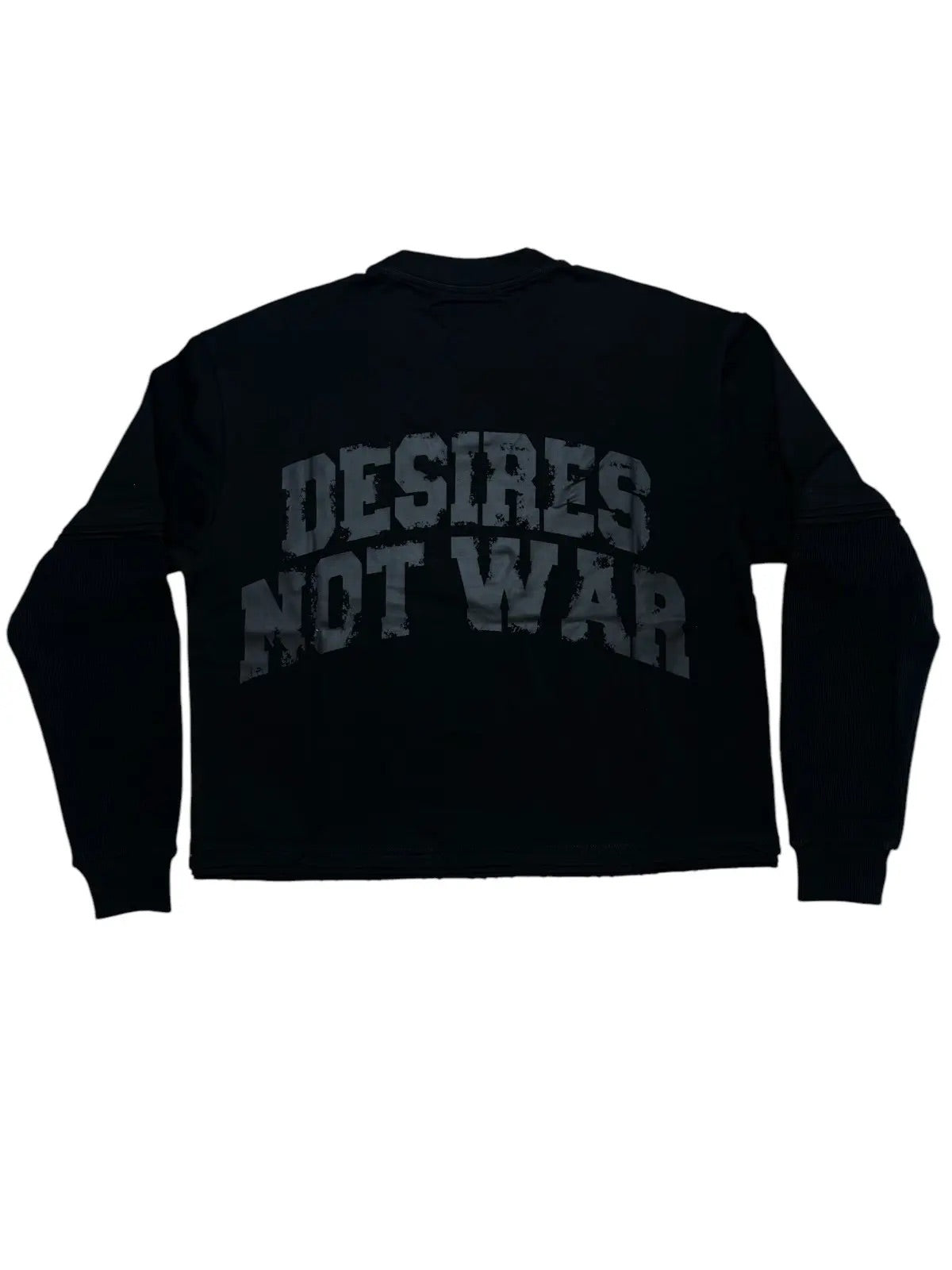
Assessing a Bottega Desires Feedback Piece Objectively
Any bottega desires review found online in 2026 ought to be approached with the same scrutiny applied to any direct-to-consumer clothing label: verify agreement across several sources, not just a single testimonial. Feedback on casual apparel labels tend to group around three recurring topics— sizing accuracy, fabric weight, and shipping experience. Such factors matter more to returning customers than brand messaging ever will.
One lone five-star review says not much on its own — a recurring trend across many reviews reveals far more, which is why buyers ought to treat individual reviews as data points, not verdicts. When looking into bottega desires review content, it helps to zero in on notes on sizing charts, since casual apparel labels often run either accurate-to-size or a touch roomy, and the variation shapes how a hoodie or short truly sits on the frame.
The amount of feedback grows over time — this bears keeping in mind. A label around for several years will naturally gather more feedback than one still growing its customer base, and while this doesn’t invalidate initial feedback, it does suggest that sample size governs how reliable any overview can be.
Bottega Desires vs Bottega Veneta: Separating Two Identities
The recurring mix-up over bottega desires vs bottega veneta keep resurfacing, and a straightforward, evidence-based reply is needed instead of an evasive non-answer. Bottega Veneta ranks as an Italian luxury house founded in 1966 in Vicenza, globally known for leather goods, the intrecciato weave, and price points that routinely climb into the thousands of dollars for handbags and accessories. Bottega Desires operates in a wholly distinct price and category tier, focused on casual streetwear — shorts, shirts, hoodies, jorts — at cost levels meant for everyday apparel shoppers rather than luxury accessory buyers.
The two are not affiliated, and shoppers typing in bottega veneta desires as a combined phrase are often seeking to confirm exactly that: whether a relationship exists between the two names. It does not, based on the type of product, price level, and customer base each brand serves. While Bottega Veneta is rooted in runway-driven luxury and leatherwork, Bottega Desires is grounded in casual, everyday-rotation apparel.
The table below lays out the real-world distinctions shoppers should keep in mind.
| Point of Comparison | Bottega Desires | Bottega Veneta |
|---|---|---|
| Category | Relaxed, casual apparel (shorts, shirts, hoodies, jorts) | Luxury leather goods and ready-to-wear |
| Established | Recent streetwear-era label | Vicenza, Italy — 1966 |
| Typical Price Tier | Accessible, everyday pricing | Premium pricing that regularly hits four figures |
| Core Customer | Everyday streetwear buyers | High-end fashion and accessory shoppers |
| Ownership | A standalone label | Held under the Kering group umbrella |
Laying it out this way makes the distinction obvious: two brands with a similar-sounding name but occupying wholly distinct niches of the fashion market. Shoppers who understand this upfront can make sharper shopping decisions instead of mistakenly believing the two brands are linked.
What Shoppers in 2026 Should Take From This
For shoppers browsing in 2026, the bottom line is clear: Bottega Desires is a casualwear brand carving out its own identity around shorts, shirts, hoodies, and jorts, not a division under an Italian luxury house. That clarity matters when forming expectations around fabric, pricing, and overall positioning before checkout.
Buyers looking for streetwear basics — a hoodie for layering, a shirt for daily rotation, shorts or jorts for warmer months — are exactly who this brand is designed for. Those searching for structured leather goods or formal luxury pieces are searching in an entirely different category, and neither brand is being criticized here; it’s simply a difference in category.
As the casualwear market keeps expanding heading further into 2026, brands like Bottega Desires will likely keep refining their core lineup rather than chasing luxury positioning they were never built for. Knowing that distinction upfront helps shoppers form grounded expectations and make a buying choice based on facts rather than assumptions drawn from a coincidentally similar brand name.